
Why Letting Go of Things Connected to Who You Used to Be Feels So Uncomfortable (And What It Really Means When You're Decluttering)

Letting go of the past isn’t about clutter—it’s about identity. Learn why decluttering feels so emotional in midlife and how to make confident decisions about what truly belongs in your life now.

You look around your home… and nothing seems wrong. But something feels off.
There are books you once used. Supplies you once needed. Files tied to work you once did. Keepsakes connected to roles you once held. And when you think about letting them go, the decision feels heavier than it should. Because this isn’t about the item.
It’s about what the item represents.
The Quiet Truth Most People Miss About Decluttering
Most decluttering advice starts with the wrong question: “Do I need this?” But when something is tied to a past role, that question doesn’t land. Because the real question is: “If this is no longer who I am… then who am I?”
That’s why the decision feels heavy.
Not because you’re disorganized. Not because you have too much stuff. But because you’re standing at a threshold. And your home is reflecting that moment back to you.
How Roles Become the Language of Identity
Think about how you’ve introduced yourself over the years. “I’m a teacher.” “I’m a mother.” “I’m a volunteer.” “I’m a knitter.” These roles aren’t your whole identity. But they become a visible, understandable part of it. They give shape to how you - and others - recognize who you are.
And over time, those roles leave evidence.
In your home.
The books related to your career
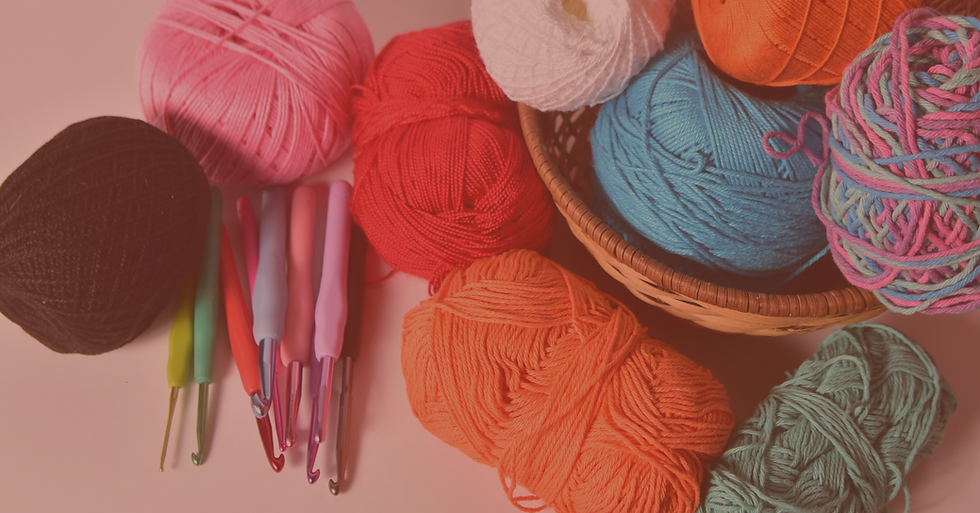
The hobby supplies
The files and systems
The tools of who you once were
So, when life shifts - and those roles change or end - the identity doesn’t disappear overnight. And the evidence of it remains.
Why Letting Go Feels So Uncomfortable
When you pick up an item connected to a past role, you’re not just making a practical decision. You’re facing a deeper layer of meaning.
Letting go can feel like saying:
“That part of my life didn’t matter.”
“I’m closing the door on something important.”
“What if I need to be that version of myself again?”
And if the item is connected to someone you’ve lost, it can feel even heavier: “Am I letting go of them?”
So, the item becomes more than an object. It becomes:
Proof of who you were.
Evidence of what you contributed.
A connection to people, time, and identity.
No wonder the decision feels loaded.
The Hidden Fear: Losing Meaning
The hesitation isn’t about the item. It’s about meaning. You’re not trying to decide what to do with a set of supplies or a stack of papers. You’re trying to protect the significance of a life chapter. And without realizing it, you’ve linked that meaning to the object itself.
So, letting go feels like loss. But here’s the shift: The meaning isn’t in the item. It’s already in you.
A Real Example: When the Role Is Already Complete
After I lfet my role as a nature and art teacher, it would have been easy to justify keeping everything. Books filled half of a bookcase. Bins of organized teaching materials sat neatly in my home office. (And my cat loved stretching out and sleeping on the bins.) Nothing was messy. Nothing was in the way. But nothing was being used.
At first, it was easy to say: “I might use this again.” “I should keep this - it’s valuable to me.” But over time, a different question emerged: “Why am I holding onto these things?” Not emotionally. Practically.
And the answers were clear:
They weren’t being used.
They weren’t part of daily life.
They weren’t even active memories.
They were stored potential. Potential tied to a role that had already ended. I kept a few meaningful items - just enough to say, “This mattered.” The rest were released. Not because the experience didn’t matter. But because it was already complete.
The Shift That Changes Everything
This is where most people get stuck. They believe decluttering is about creating change. It’s not.
Decluttering is about acknowledging the change that has already happened.
Your life has already shifted.
Your days are different.
Your priorities have evolved.
Your time is being spent in new ways.
Your home is just catching up. This is the moment your life stands for: This is where postponing ends. Not because you force decisions. But because you finally see clearly enough to make them.
The Question That Moves You Forward
When you’re holding something tied to a past role, ask one question: “What role is this item playing in my life now?”
Not:
What it meant.
What it could mean again someday.
What you paid for it.
What you “should” do with it.
Now. Because most of the time - you already know. You know:
Whether that role is complete.
Whether you’ll realistically return to it.
Whether the item supports your current life.
The clarity is there. The hesitation comes after.
There Is No Empty Space Waiting for You
One of the biggest fears is this: “If I let this go… what’s left?”
It can feel like you’re creating a void. But look at your actual life. Your days are already full.
Conversations
Relationships
Responsibilities
Small, meaningful moments
You are not becoming empty. You are living a life that may not yet have a clear label. And that’s okay. Your identity hasn’t disappeared. It just hasn’t been renamed yet.
What Decluttering Really Does
Decluttering doesn’t erase your past. It doesn’t diminish your experiences. It doesn’t remove meaning. It does something much more grounded: It aligns your home with the life you are already living.
It allows:
Your current priorities to take up space.
Your real life to become visible.
Your decisions to reflect who you are now.
This is not about becoming someone new. It’s about recognizing who you already are.
Start Here (A Simple, Grounded Step)
Don’t start with a room. Don’t start with a category. Start with one item. Pick something connected to a past role. Hold it. And ask: “What role is this item playing in my life now?” Then decide. That’s it.
No pressure to do more. No need to build momentum. Just one clear decision. Because confidence doesn’t come from motivation. It comes from follow-through.
Final Thought
If letting go feels heavier than it should, you’re not doing it wrong. You’re just closer to the real work than most people ever get. Pause. Not to avoid the decision. But to see it clearly. Then choose. One item. One decision. This is where postponing ends.
Recap on Letting Go of Identity-Connected Items
Decluttering can feel extra emotional in midlife became many items are tied to identity, past roles, and life transitions - not just function. Instead, try focusing on the present role of the item, not its history or potential future use.
If you are worried about regretting your decision to let something go, remember this - regret is often tied to uncertainty. Clear decision-making reduces that risk by aligning choices with your current life.
Decluttering isn't about randomly getting rid of things or becoming a minimalist (unless that's your goal). Instead, decluttering is about making intentional decisions, so your home reflects your life now - not achieving a certain aesthetic.

Comments