
Decluttering Items from Your Past So You Can Live Your Second Act

Your home isn’t cluttered—it’s holding onto past versions of you. Learn how to declutter with clarity, make confident decisions, and step into your second act.

Your home might look fine. To anyone walking in, it works. It’s organized enough. Nothing is obviously wrong. But you feel it. Closets that are harder to manage than they should be. Drawers filled with things you haven’t touched in years. Projects you meant to finish… but didn’t.
And underneath all of it, something quieter: A sense that your home is holding onto a life you’re no longer living. Not dramatically. Not urgently. But consistently. And over time, that feeling becomes weighted.
This Isn’t About Decluttering... At Least Not the Way You’ve Been Told
Most decluttering advice focuses on what to do with your things. Sort. Organize. Contain. Store.
But that’s not where most women get stuck. You don’t get stuck because you don’t know how to organize. You get stuck because you haven’t decided. Because the moment you start decluttering, something becomes clear: You’re not just sorting through possessions. You’re sorting through versions of yourself while you consider decluttering items from your past.
Your Home Is Holding Your Identities
As you begin going through your things, you start to notice patterns. There’s who you were. There’s who you thought you might become. And there’s who you are now.
It shows up in small ways:
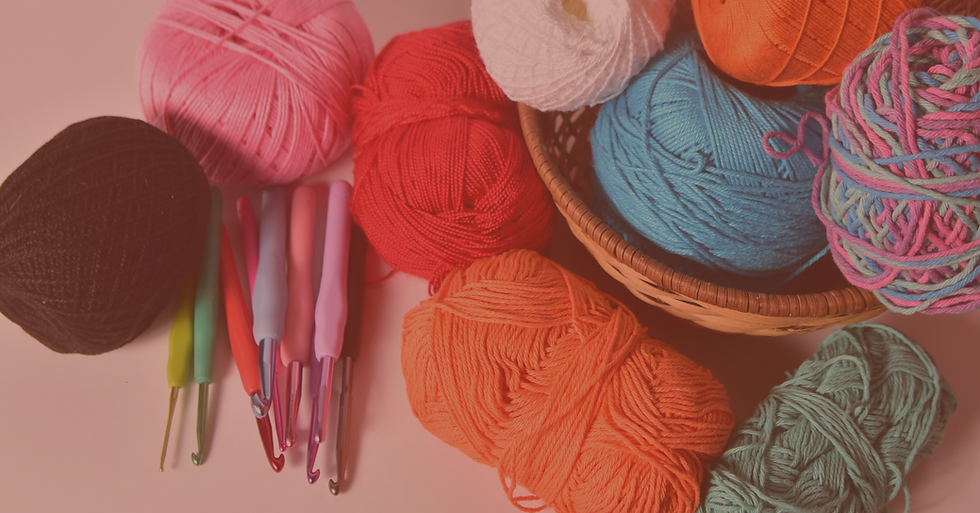
Hobby supplies you haven’t used in years.
Books tied to interests that faded.
Materials for projects that never quite happened.
And when you come across these things, a thought appears: “I should get back to this.” It sounds harmless. Responsible, even. But it isn’t neutral. Because every item you keep is quietly defining your future.
It’s saying: This still matters. This is still part of your life. Whether that’s true or not.
The Misunderstanding That Keeps You Stuck
Most women don’t stay stuck because they’re overwhelmed by clutter. They stay stuck because they’re trying to preserve possibility. So instead of deciding, they do something that feels productive. They put things into bins. They label those bins. Then they store them for later. Just in case.
Just in case they return to that hobby. Just in case they have more time. Just in case they need it again.
And it feels responsible. It feels like you’re keeping your options open. But those boxes aren’t neutral. They don’t just hold items. They hold expectation. They say: You should come back to this.
And over time, that becomes something else entirely. Not freedom. Pressure.
The Real Decision You’re Avoiding
At some point, decluttering stops being about the item in your hand. And starts becoming about something else: The life you’re actually living.
I once spoke with a woman during a decluttering presentation. She was in her 70s. Retired. But she had kept everything related to her career. Books. Paperwork. Certifications she was still maintaining.
Because in her mind… She might go back to work. At any moment.
On the surface, it sounded practical. But when she described her life, something didn’t match. She was busy. Engaged with her family. Active in her community. Her life had already moved forward. But her belongings hadn’t caught up. And the real decision she was facing wasn’t about the books.
It was this: Am I still that version of myself? And more importantly, do I want to be?
This Is the Moment Everything Shifts
This is the point where decluttering changes. Because now it’s no longer about usefulness. It’s about truth. Admitting: My life has changed. And that can feel uncomfortable. Even like loss. Because you’re not just letting go of an item. You’re letting go of a version of yourself that once mattered.
But here’s what’s also true: That version of you already served its purpose. And keeping everything tied to it doesn’t preserve it. It postpones you.
A Practical Way to Start Making Decisions
So, what do you do when you’re holding something tied to a past—or imagined—version of yourself? You pause. And instead of asking, “Do I need this?” You ask better questions.
1. Do I actually want this to be part of my life now? Not someday. Not theoretically. Now.
2. What currently fills my time? Your life already has a shape. Your time is already allocated. This question grounds you in reality instead of possibility.
3. Would I change that to make room for this? Because everything you keep implies a commitment.
If you wouldn’t rearrange your life to include it, that matters.
4. Can I schedule time for this in the next two weeks? This is where clarity happens. Not someday. Not “when things slow down.” Two weeks. Because if you don’t want to make time for it now… there’s a good chance you’ve already made the decision. You just haven’t acknowledged it yet.
What Happens When You Stop Postponing
When you begin making decisions from this place, something shifts. Yes, your space changes. But that’s not the most important part. You get something else back. Your time. Your energy. Your attention.
Because you’re no longer carrying the quiet weight of: “I should be doing something with this.” That thought disappears. And in its place, something clearer emerges. You start to see what actually matters.
The things you naturally reach for.
The relationships you’re actively engaged in.
The interests that are alive in your life now.
Your home begins to reflect your real life. Not your past. Not your “just in case” future. Your present.
This Is What Your Second Act Actually Looks Like
There’s a common belief that your second act requires reinvention. A dramatic shift. A completely new identity. But that’s not what’s happening here. You’re not becoming someone new. You’re recognizing who you already are. And allowing your home to match that.
This is quieter work. More grounded. But far more powerful. Because instead of managing your environment… your environment begins to support you.
Start Smaller Than You Think
You don’t need to figure out your entire second act today. You don’t need a full plan. You don’t need motivation. Start smaller. Choose one space. One category. One decision. And ask: Does this belong to the life I’m living now?
Let that answer guide you. Not perfectly. But honestly. Because your second act isn’t something you wait to discover. It’s something you build. One decision at a time.
Takeaways from Decluttering Items from Your Past
This isn't about becoming a minimalist in your second act. It’s about owning what fits your life now.
Decluttering regret is usually tied to unclear decisions. When decisions are grounded in your current life, they feel steadier—even if they’re emotional.
If you're concerned that you might need something later, remember that "later” is often undefined. The better question is whether it fits your life now—and whether you would realistically make space for it.
Expect decluttering to feel emotional because it’s not just about objects. It’s about identity, change, and letting go of postponed decisions.
Final Thoughts
You don’t need more storage. You don’t need better organizing systems. You need clarity. And clarity comes from deciding. This is where postponing ends.


Comments